Sustainability in Fashion
In recent years, sustainability has evolved from a niche consideration into a fundamental principle guiding the fashion industry. This shift has created an increasing demand for eco-friendly materials and practices that resonate with conscientious consumers. Brands are recognizing that an ethical approach is not only beneficial for the planet but can also differentiate them in a highly competitive market.
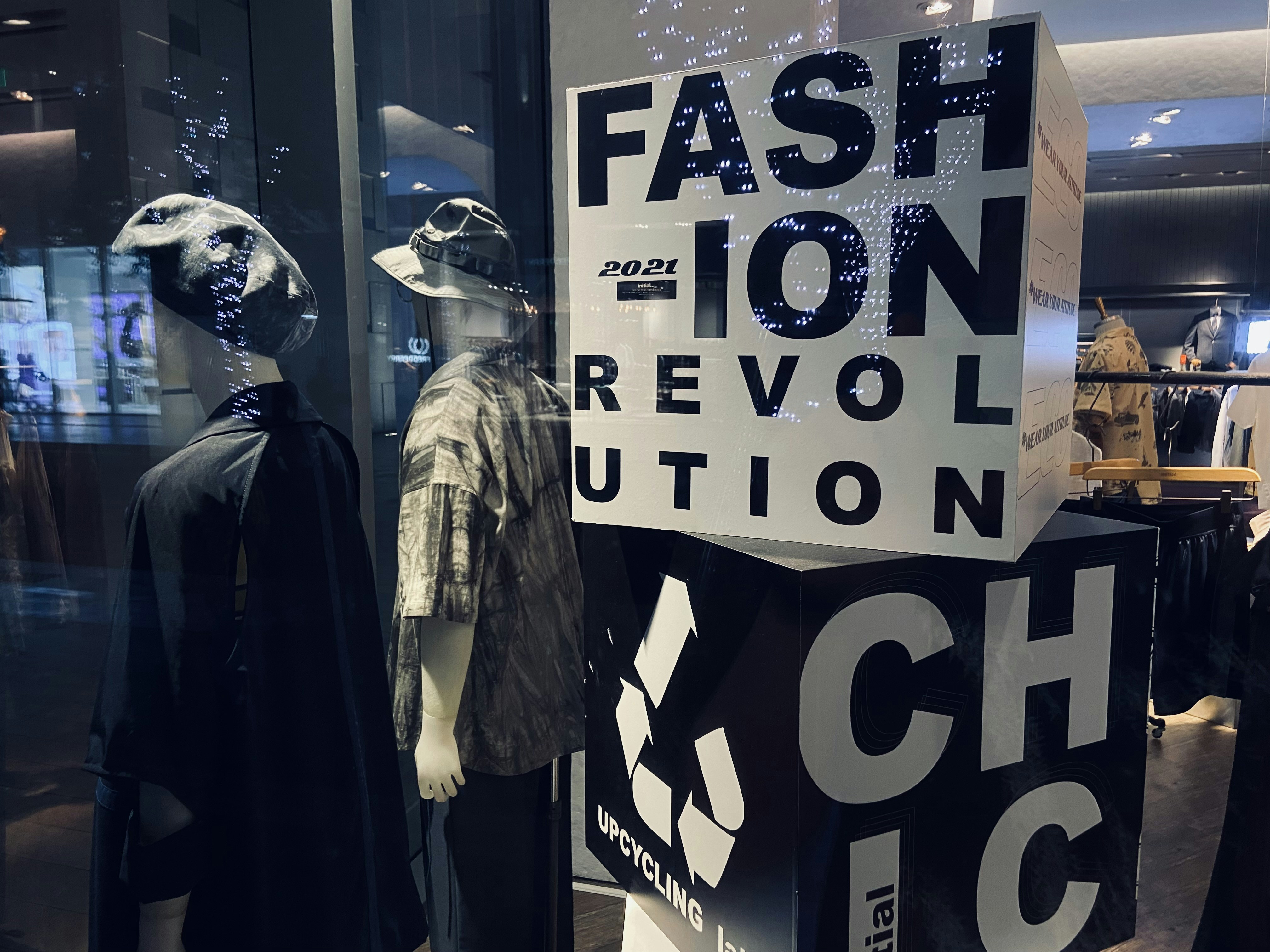
One of the key developments driving sustainability in fashion is the innovation in fabrics. Designers are now opting for materials derived from recycled content, such as plastic bottles, discarded textiles, and even organic sources like hemp and bamboo. These fabrics not only reduce waste but also offer alternatives to conventional textiles that often come with significant environmental costs. By employing such sustainable materials, brands are not only minimizing their carbon footprint but are also appealing to a growing demographic that values environmental responsibility.
Moreover, ethical production practices have gained traction as transparency becomes a hallmark of reputable fashion brands. Consumers are increasingly scrutinizing the origins oftheir clothing, demanding to know how and where their garments are made. This has prompted many companies to adopt more transparent supply chains that showcase their commitment to fair labor practices and sustainable sourcing. Such transparency not only builds trust but also fosters a connection between consumers and the brands they support.
The influence of fast fashion has created a heightened awareness regarding the environmental impact of clothing consumption. Many individuals are now favoring sustainable fashion brands that promote conscious buying habits. As an increasing number of consumers make informed decisions, it is clear that sustainability will continue to shape the future landscape of the fashion industry, driving progress towards a more ethical and environmentally-friendly sector.
The Influence of Digital Technology
The modern fashion industry has been profoundly transformed by digital technology, enabling innovative avenues for creativity and consumer engagement. One of the most noteworthy impacts is the rise of social media platforms, which have become critical channels for both brands and consumers. Platforms such as Instagram and TikTok serve as virtual runways, where influencers showcase the latest styles and trends in real-time, quickly shaping public perception and desire. As a result, fashion trends can emerge and evolve at an unprecedented pace, effectively blending organic consumer choices with curated brand strategies.
Moreover, artificial intelligence (AI) has emerged as a significant player in reshaping the shopping experience. Retailers are employing AI algorithms to analyze consumer preferences and behaviors, enabling personalized recommendations that enhance user experience. This custoization not only increases customer satisfaction but also drives sales, creating seamless connections between consumers and products they are more likely to purchase. The incorporation of AI extends to inventory management and trend forecasting, where technology can predict upcoming fashion styles based on data analytics, thus allowing brands to react swiftly to consumer demands.
The advent of virtual fitting rooms represents another groundbreaking shift facilitated by digital technology. These digital interfaces enable consumers to try on garments virtually, mitigating the common challenges of online shopping, such as incorrect sizing and style mismatch. By utilizing augmented reality, we are witnessing a transformation in how consumers interact with fashion, granting them the ability to visualize how clothing will fit before making a purchase, thereby fostering a more confident shopping experience.
In addition, the fashion marketing landscape has been revolutionized through advancements in technology. The increasing prevalence of online fashion shows exemplifies this shift; they allow brands to reach broader audiences and present their collections in innovative formats. This digital evolution not only enhances brand visibility but also encourages inclusivity and accessibility within the fashion realm, ensuring that a vibrant array of voices is represented within this dynamic industry.
The Revival of Vintage and Nostalgic Styles
In recent years, the fashion industry has witnessed a significant revival of vintage and nostalgic styles, which are increasingly shaping modern aesthetics. This resurgence can be attributed to a variety of factors, including the influence of past decades on contenporary design, a growing appreciation for unique pieces, and the sustainable ethos driving today’s consumers. Several key vintage styles have emerged as frontrunners, capturing the imagination of fashion enthusiasts across age groups.
The influence of previous decades is evident in numerous current collections. Designers are frequently inspired by the cuts, fabrics, and colors that defined past eras. The 1970s bohemian looks, 1980s bold silhouettes, and 1990s minimalism are notable examples that have made a comeback in various forms. This revival allows new generations to explore and reinterpret styles that once adorned the iconic figures of their parents and grandparents. Thrift shopping has also surged in popularity, driven by the desire for sustainable fashion choices and the thrill of uncovering one-of-a-kind items. Vintage shops and online resale platforms have become treasure troves for both fashion aficionados and casual shoppers seeking distinctive pieces.
Moreover, this trend speaks to a larger movement towards individuality in fashion, as people increasingly seek to step away from mass-produced clothing and express their personal styles. Key vintage styles, such as high-waisted jeans, oversized blazers, and floral prints, are now staples in modern wardrobes. These styles offer versatility, allowing individuals to mix and match pieces to create uniqueoutfits that reflect their personalities. As the modern fashion industry continues to embrace nostalgia, the interplay between contemporary and vintage looks remains a testament to the cyclical nature of fashion, reminding us that trends are often inspired by the past.
Inclusivity and Diversity in Fashion
In recent years, the fashion industry has witnessed a significant shift towards inclusivity and diversity, reflecting broader societal changes and the growing demand for representation among consumers. Brands are increasingly recognizing that beauty is not confined to a singular standard; rather, it encompasses a vast array of cultures, body types, and personal identities. This evolving landscape has compelled fashion labels to diversify their offerings, ensuring that their products resonate with a wider audience.
One of the most notable changes is the expansion of size ranges provided by many retailers. Brands that once focused solely on standard sizes are now beginning to offer inclusive sizing that caters to individuals of all shapes and dimensions. This shift not only enhances accessibility to fashion but also empowers consumers to express their unique styles without feeling marginalized. Inclusive sizing reflects a growing understanding within the fashion community that beauty exists in all forms, providing consumers with the opportunity to choose fashion that authentically represents themselves.
Moreover, advertising campaigns are increasingly showcasing a broader spectrum of models who embody various ethnicities, ages, and gender identities. By highlighting diversity, these brands not only align themselves with contemporary societal values but also foster a sense of belonging among consumers. This representation is critical in changing the narrative around beauty standards, signaling to all individuals that they deserve to be seen and celebrated in the fashion world.
As this trend towards inclusivity gains momentum, consumer expectations have transformed, prompting brands to adopt more thouhtful and holistic marketing strategies. By prioritizing diversity and inclusivity, the fashion industry is reshaping how beauty is defined and perceived, ultimately leading to a more vibrant and representative marketplace that celebrates authentic self-expression.